

Test season can feel heavy. Not just for students, but for families, too. Worry, pressure, and uncertainty often settle in, leaving kids stressed and parents unsure of how to help. But parents play a critical role in helping their child navigate these challenging moments.
You can connect with parents to empower them to support their child during testing season. With a little teamwork (and some practical strategies), you can help students approach test day with a sense of calm and confidence. Let’s dig into how you can partner with parents to ease test-related stress and set students up for success.
What is Test Anxiety?
First, it’s important to understand what test anxiety is and isn’t. While some nerves before a test are completely normal, test anxiety goes further. It’s when fear or worry grows strong enough to interfere with a student’s ability to focus, think clearly, or even function during a test. Parents might notice things like:
- Trouble sleeping or eating.
- Avoidance of homework or studying.
- Physical symptoms like headaches or stomachaches.
It’s helpful to understand what test anxiety looks like and to reframe it as both manageable and temporary. Parents can take small steps to help their child build resilience.
The Truth About Anxiety (Hint: Not All of It Is Bad!)
When parents hear the term “test anxiety,” it’s natural for them to assume it’s entirely negative. After all, no one wants to see their child stressed! But here’s an important message to share: not all anxiety is harmful.
You can introduce parents to the Yerkes-Dodson Law, a concept that explains how a little nervous energy can boost performance. Imagine an upside-down U-shaped curve:
- At the low end, there’s not enough arousal (think daydreaming or disengagement).
- At the peak, there’s just the right amount—students feel focused, energized, and motivated.
- At the high end, overwhelming anxiety kicks in, and performance tends to drop.
The goal? Help students stay in that productive sweet spot where anxiety serves as a motivator rather than a roadblock. For parents, this means shifting from the mindset of trying to “eliminate” anxiety entirely to helping their child manage stress in healthier ways.
Practical, Actionable Strategies for Parents
Parents are often eager to help but unsure where to start. Setting them up with simple, specific tools can make all the difference.
Here are a few test anxiety strategies you can suggest.
1. Set a Positive Tone
How parents talk about tests affects how students feel about them. Encourage parents to shift from pressure-filled phrases like, “This is really important,” to something more uplifting:
“Your job is to try your best and show what you know.”
“You should be proud of how hard you’ve worked and everything you’ve learned.”
This reframes the test as growth-focused rather than performance-obsessed, which can take the edge off.
2. Build Predictable Routines
A consistent schedule can be a relief when emotions are running high. Suggest leaning into regular routines around sleep, meals, and bedtime leading up to test day. Parents can ensure that students:
- Eat a healthy breakfast.
- Wake up on time and pack the night before to avoid rushing.
- Share what they tell themselves before they do something important.
3. Teach Easy Relaxation Techniques
Even young kids can learn simple ways to calm their nerves. One idea to share with parents is balloon breathing:
- Pretend to blow up a giant balloon by taking a deep breath.
- Exhale slowly, letting the balloon float away.
Breathing exercises like this can be a soothing way for kids to center themselves before or during a test.
4. Model Stress Management
Kids pick up on the energy of the adults around them. Encourage parents to share how they manage their own stress, modeling healthy approaches like:
- “When I get nervous, I like to take a few deep breaths to refocus.”
- “It’s okay to feel a little nervous. It tells me I care about what I’m doing!”
This shows students that feeling stressed isn’t inherently bad and that they can take steps to stay in control.
5. Focus on Effort, Not Results
Parents can shift the conversation away from outcomes like scores or grades by praising effort instead. Suggest phrases like:
- “I’m so proud of how hard you’ve been working this year.”
- “Let’s celebrate the time you spent preparing.”
This reinforces important values like persistence and growth over perfection.
Additional Test Anxiety Resources
Sometimes, parents need an extra nudge to feel confident about supporting their child. Consider sharing:
- A downloadable “Parents’ Guide to Test Day Success.”
- Links to mindfulness apps or printable relaxation exercises
- A list of books on test anxiety
- Blog Post: 6 Test Anxiety Strategies
- Free subscriber resource: Test Day Plan Student Worksheet
Conquering Test Anxiety
Test anxiety doesn’t have to be an impossible hurdle. Parents can help their student face test day with greater calm and confidence.
By helping parents understand their role, offering them actionable strategies, and working together as a team, we can transform test season from a time of stress into a time of pride.
Let parents know you’re here to support them every step of the way and that even small shifts can have a big impact on their child’s confidence.
Resources In This Post
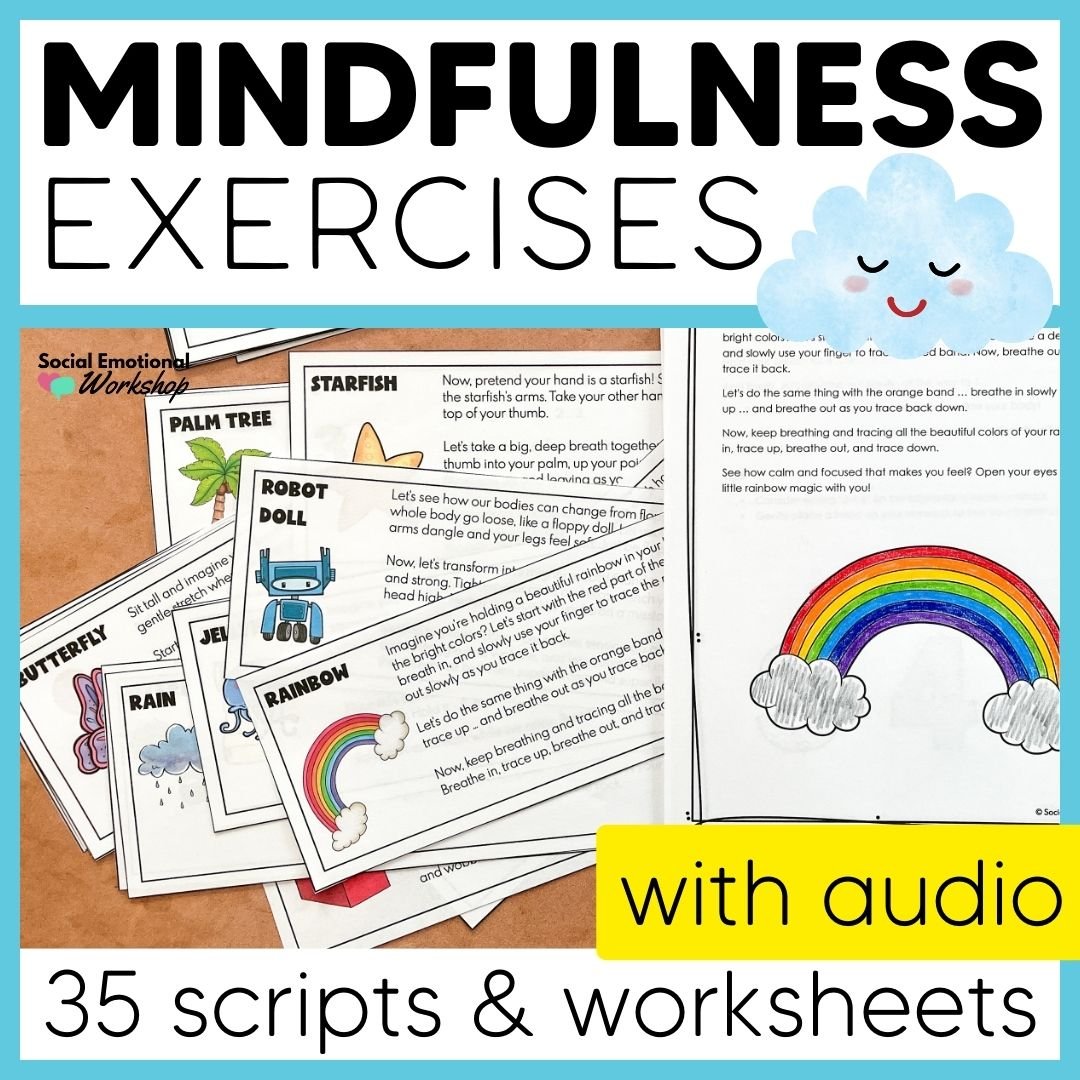
Mindfulness Scripts
35 kid-friendly scripts for mindfulness and self regulation. Use guided imagery, deep breathing, progressive muscle relaxation, and more.

Breathing Boards and Cards
Simple interactive visuals to help students take slow, deep breaths to regulate their physical responses to stress, anxiety, anger and more.