

Imagine walking into a school where every student and staff member is looking for meaningful ways to spread kindness. A school kindness challenge can bring that vision to life, creating a ripple effect of positivity and empathy throughout your community.
Kindness doesn’t have to be complicated to be powerful. With clear goals, thoughtful planning, and a touch of creativity, you can build a challenge that truly inspires and engages. Here’s a step-by-step guide to help you get started.
Start with a Clear Goal
If you are going to go to the trouble of organizing and running an event, make sure you know the purpose. What do you hope to accomplish with your kindness challenge? Maybe you’re looking to:
- Foster a deeper sense of community among students.
- Reduce bullying by encouraging acts of empathy.
- Create everyday moments where kindness becomes second nature.
- Reinforce what students are learning in your SEL curriculum.
Maybe you want to try to run a school-wide event for the first time, and a kindness initiative seems like a good place to start.
Once you’ve nailed down your “why,” you’ll want to set some benchmarks for success. For example:
- Track kind acts. Set up a kindness tracker (e.g., a poster, jar, or digital tool) to collect and celebrate acts of kindness. You could make a certain number of acts correspond to donations to a local charity.
- Measure participation. Encourage friendly competition by recognizing the grade level or class with the most kind acts.
- Track your implementation. How did you organize and run this event?
- Spot big-picture impacts. Look for trends like fewer discipline referrals or improved peer interactions.
A clear goal will help your challenge stay focused and make it easier to share its impact later.
Build Your School Kindness Challenge Framework
A kindness challenge works best when it’s both structured and flexible. Think about the basics first:
- Length. Will it run for a week? A month? Shorter challenges build momentum quickly, while longer ones allow for deeper engagement. I think a week is ideal, but this will depend on your situation.
- Themes. Adding daily or weekly themes, like Gratitude Monday or Compliment a Friend Friday, helps keep things fresh.
Next, collect and tailor kindness activities to fit your school population.
Age/Developmental Level
- Younger students might enjoy simple activities like drawing pictures for classmates or giving “high-fives of encouragement.”
- Older students could write letters of appreciation, assist younger kids, or organize small community projects.
- Students with special needs may need modifications to participate.
Multiple Ways to Participate
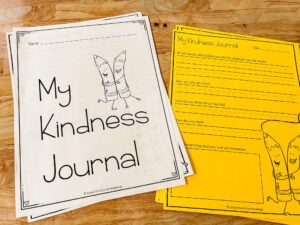
Give teachers and staff multiple ways to participate. Maybe it’s a list of book suggestions, two different activities, a kindness card, or discussion prompts.
The goal is to make the event feel accessible, easy, and exciting for everyone.

Involve Everyone
An effective kindness challenge isn't just for students. Think about how you can involve all members of the community. Maybe it's just communicating about the kindness event, maybe it's having specific activities.
- Teachers can weave kindness into their lessons, using writing prompts or discussions to spark reflection on empathy and generosity.
- Families can carry the spirit of kindness home. Share activity ideas, such as designing thank-you cards or doing neighborhood cleanups, via newsletters or emails.
- Staff members play a big role, too. From cafeteria staff to administrators, small acts like sharing affirmations or surprising a coworker with coffee show students that kindness is a team effort.
Consider a school project that everyone can participate in. Older students could mentor younger students. Students could paint rocks to line the path to school. You could create an outdoor classroom or garden, with each grade responsible for a part.
When kindness connects everyone, its impact grows exponentially.
Get Your Free
Kindness Event Planner
Download a school-wide kindness event planner that will guide you step by step to put together a successful event.
Make Kindness Visible
Out of sight, out of mind—so make it impossible to ignore!
- Kindness Wall. Create a bulletin board at the school entrance to share the kind acts people are doing.
- Gratitude Tree. Make a tree to put on the wall and give everyone leaves to write something they are grateful for.
- Kindness Tracker. Use a visual tool, like a jar filled with notes or a growing paper chain, to represent acts of kindness. Watching it grow sparks excitement and pride.
- Talk About It. Recognize acts of kindness during announcements or assemblies. Sharing specific examples helps make kindness “cool” and motivates participation.


Add Recognition
While kindness can feel like its own reward, a little recognition can take your challenge to the next level.
- Individual Incentives. Consider offering small tokens, such as stickers or certificates, for completed challenges. These act as fun reminders of students’ contributions.
- Community Celebrations. Recognize classes or grades for their collective efforts. Feature outstanding participation in newsletters, morning announcements, or even social media shoutouts.
- Expand beyond the school by having outside organizations pledge to donate to a charity for the students’ successful kindness challenge. The PTA is usually a good resource for something like this.
Acknowledging both individual and group achievements reinforces the idea that every act of kindness helps build something bigger.
Keep It Fun and Creative
A kindness challenge should spark joy, not feel like another item on a to-do list. Inject creativity to keep the energy alive.
Here are a few engaging activity ideas:
- Kindness Challenge. Challenge students to complete a board filled with simple kind acts, such as “write a thank-you note” or “help a friend with a task.”
- Kindness Tickets. Give staff kindness tickets to give out when they notice a kind act.
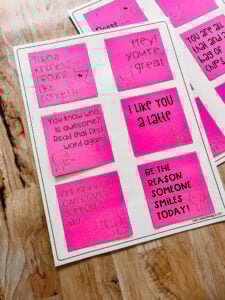
- Share Compliments. Have students give compliments to one another, and you can display them. Complimittens Activity.
- Secret Kindness Buddies. Assign a staff buddy to surprise with anonymous kind deeds throughout the challenge.
- Daily Prompts. Share actionable ideas like “Give someone a genuine compliment” or “Invite someone new to play or join your group.”
Wrap up your initiative with a celebration at a school assembly or class meetings.

Reflect and Sustain the Momentum
When the challenge ends, make sure to take a moment to reflect on how it all went.
- Reflect on the experience. Gather feedback from students and staff. What activities stood out? What could work better next time?
- Celebrate and share results. Bring the community together by showcasing photos, stories, and data. Highlighting the impact of the challenge makes the effort feel meaningful and lasting.
- Build habits. Keep the kindness energy alive with monthly themes, regular recognition programs, or incorporating kindness into existing school routines.
Kindness shouldn't just be a one-time event. It should be a natural part of your school culture. The more you integrate it into daily life, the bigger the ripple effect will be.
Ready to Start?
Creating a school kindness challenge is a meaningful way to build connection and positivity among students and staff alike. Whether it’s a week of simple acts or a month of thoughtful engagement, the energy you put into nurturing kindness will pay off in heartfelt moments that ripple through your school community.
💡 What’s your favorite way to inspire kindness at school? Drop it in the comments!
Helpful Resources

Kindness Activities
Teach kindness with ready-to-use activities like interactive posters, writing prompts, and goal-setting tools. These engaging resources help students practice empathy, gratitude, and positive social skills in meaningful ways!

Kindness Activities Bundle
Bundle of three resources you can use to model and practice kindness with students. Filled with plenty of ready to print activities you can use in throughout the year.